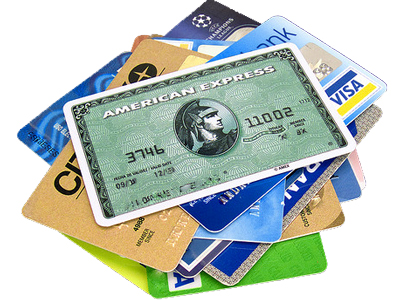
 Mmm… tasty, tasty credit. We’ve talked about getting your credit report and your credit score for free, but we haven’t really talked about how to establish a good credit history. How do you get a nice credit score?
Super Quick Credit Guide
Your credit score (FICO score) is based on five categories, but we’re just going to focus on the one that matters right now, that being “length of credit history,” which makes up 15% of your score. The longer you’ve had some sort of credit, the better your score. So, start now!
You may have heard about the “credit crunch” and think that this will be hard right now. Well, not really. From what I can see, credit card companies and other loans will always target college students. We’re reasonably educated, we have high potential for future earnings and, if all else fails, most of us have parents to bail us out. We’re a slam dunk as far as credit card companies are concerned, so they’ll be targeting our age group forever and ever.
So, private student loans may not come as easily as they did a few years ago, but there are still going to be a lot of options available for college students looking to establish a credit history.
Student Loans
Speaking of student loans, over 50% of us have them. So, you’re done. By taking out a student loan in your own name, you’ve established a credit history. Congratulations! If you want to do more, keep reading, but really… all you need to do is make on-time payments to your loans when they come due.
But, uh… don’t take out too much in student loans, ok? The general rule of thumb is that your total loan balance shouldn’t exceed your expected starting salary when you graduate. But less than that is better still! Whatever you borrow will have to be paid back with interest, so keep that in mind before taking out a little “extra” to have play money. There are far better ways to get spending cash than using your student loans to do it.
Credit Cards
If you don’t have student loans (or you do, but you want to do more for your credit score), you can get a student credit card. WAIT! Before you run off with this license to spend, remember that this is for a specific purpose, and that you’ll have to do it right.
A lot of people suggest you get a credit card and charge one thing a month, and then pay the credit card off in full every month. This advice has its heart in the right place, but it’s part of what got me into trouble a few years ago. I did fine for five months, but I was buying things I didn’t really need in the interest of “establishing a credit history.” I used it as my fun money. And then it turned into fun debt, which turned into not fun debt.
Now, I prefer to get a card with a specific purpose in mind. Thankfully, credit card companies make this really easy for you by offering cards with different rewards programs. A few good ones for college students:
- The Amazon.com Visa card: use it just to buy your textbooks for school. Pay it off in full with your textbook money when the bill comes.
- Citibank’s ThankYou Preferred Card for College Students: get a 2,500 bonus (about $25) after you spend $500 on the card within the first 3 months. Get this card a few weeks or a month before a big purchase (like expensive textbooks, or if you have a school project that you have to fund out of pocket) so you can spend the $500 on the card without spending unnecessarily. Don’t get suckered into $500 of debt just to get $25! But it’s a nice bonus if you were really going to spend that $500 in 3 months anyway. The card also gives 1 point per dollar you spend on most things, and 2 points per dollar spent on dining and entertainment, giving you a little boost on your fun money purchases. (Again, don’t go crazy or anything, but it’s a nice boost.)
- Discover Student Card: offers 5% cashback in certain categories. Use it when a 5% category comes up that you were going to buy stuff in anyway and pay the bill off in full when it comes. They also give a $20 statement credit (that’s a cash rebate!) each school year your GPA is 3.0 or higher for up to five years.
By now, you probably noticed how strongly I’m stressing buy things that you would buy anyway with cash, and pay the bill in full when it arrives. Don’t get suckered into using it as “free money,” or paying just the minimum, because that’s how you get hit with interest charges.
Establishing credit can be free if you do it right. In fact, you should get paid for using a credit card, via rewards programs. But if you pay interest, you’re going to wipe out all of those reward dollars… plus some. This goes for annual fees as well – read the fine print, and don’t settle for any card that comes with an annual fee.
If you’re careful, you can establish a good credit history that impresses lenders, employers, and landlords… which can have a profound effect on the rest of your life, financial and otherwise.

Great tips listed here!
Luckily, my parents had excellent credit and they opened a joint account with me so that I could share their credit score.
I’ve been avoiding massive credit card usage (it’s so easy to spend money I don’t have) so I’ve been focusing on making a few purchases via credit and buying everything else with cash.
It’s easy to get addicted to using credit cards while it’s difficult to get away with them. So the practice of using cash when making payments should not be outdated.
I perfer to use a debit card – that way I am less tempted to over spend. I also keep a STRICT budget. What ever you do, never pay your credit card late.
@Nate – a debit card has a lot of advantages, including the inability to get into debt. Although research shows it might have some of the same psychological effects (on some people) as a credit card, that makes some people spend more with plastic than actual cash. And, for the purposes of this article, it should be noted that a debit card will not help you built a credit history.